

Boot Drying & Hygienic Storage
Boot Drying & Hygienic Storage
For wet-processing factories where washed boots remain damp between shifts, create odor, or end up stored on floors and in mixed piles. Drying capacity and organized storage should be planned together.
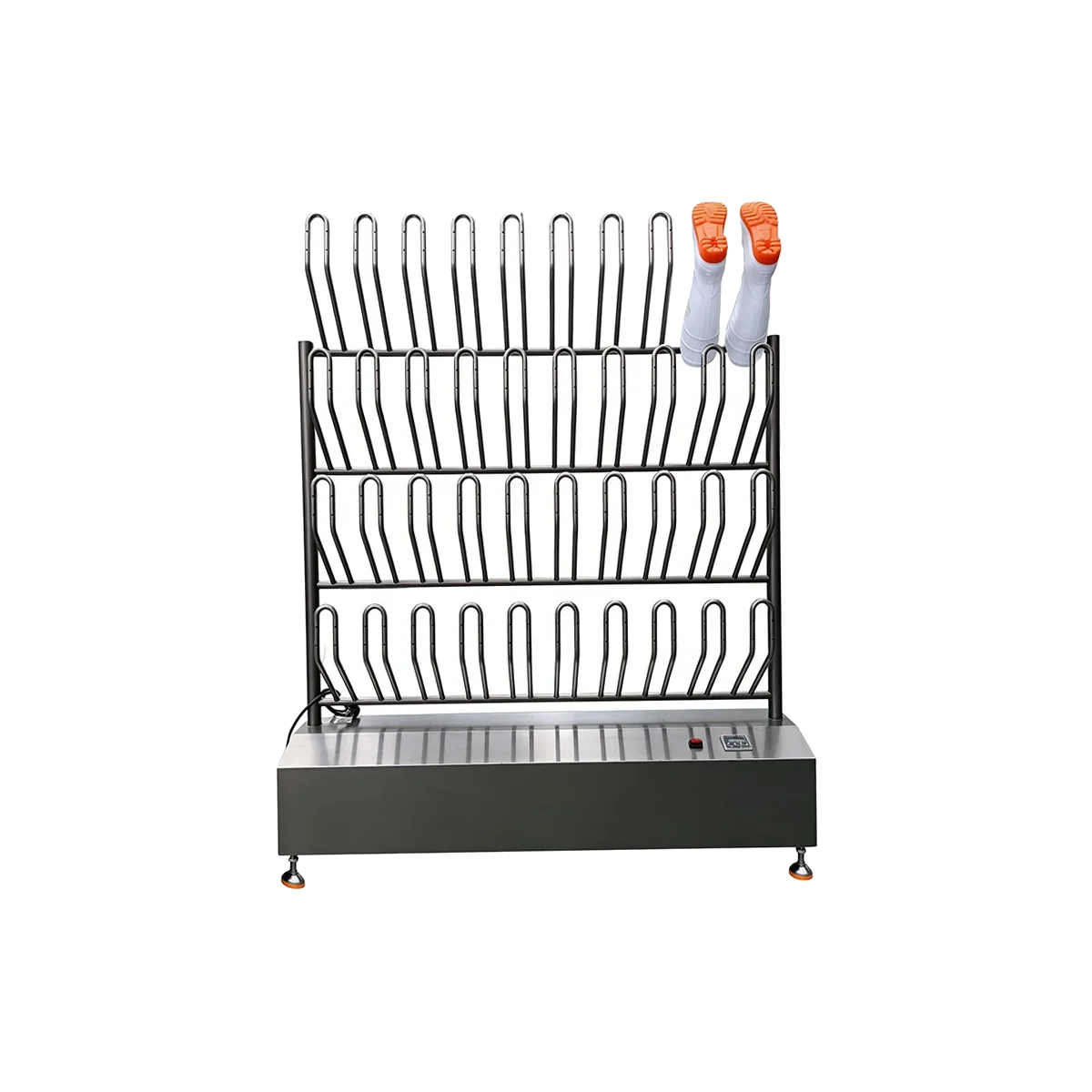
Wet Boots Between Shifts
Meat, Seafood & Dairy
Drying + Storage
Pair Count Planning
Solution Overview
Boot hygiene does not end when washing is finished. In wet plants, employees may return the next day to boots that are still damp, mixed with other pairs or stored directly on the floor. A practical post-wash area needs enough drying positions, clear assignment and suitable spacing for the actual number of workers.
The Real Post-Wash Problems
What happens after employees clean their boots
- Boots are still damp at the next shift: natural drying time is too short for the turnaround between teams.
- Boots are placed on the floor: storage becomes difficult to clean and organize.
- Pairs are mixed or hard to identify: employees waste time finding their own footwear.
- Drying capacity is lower than staff count: some boots never reach a proper drying position.
- High boots dry slowly inside: air circulation into the boot shaft is limited when boots are simply left upright.
- Changing-room space is crowded: drying racks, lockers and traffic compete for the same wall and floor area.
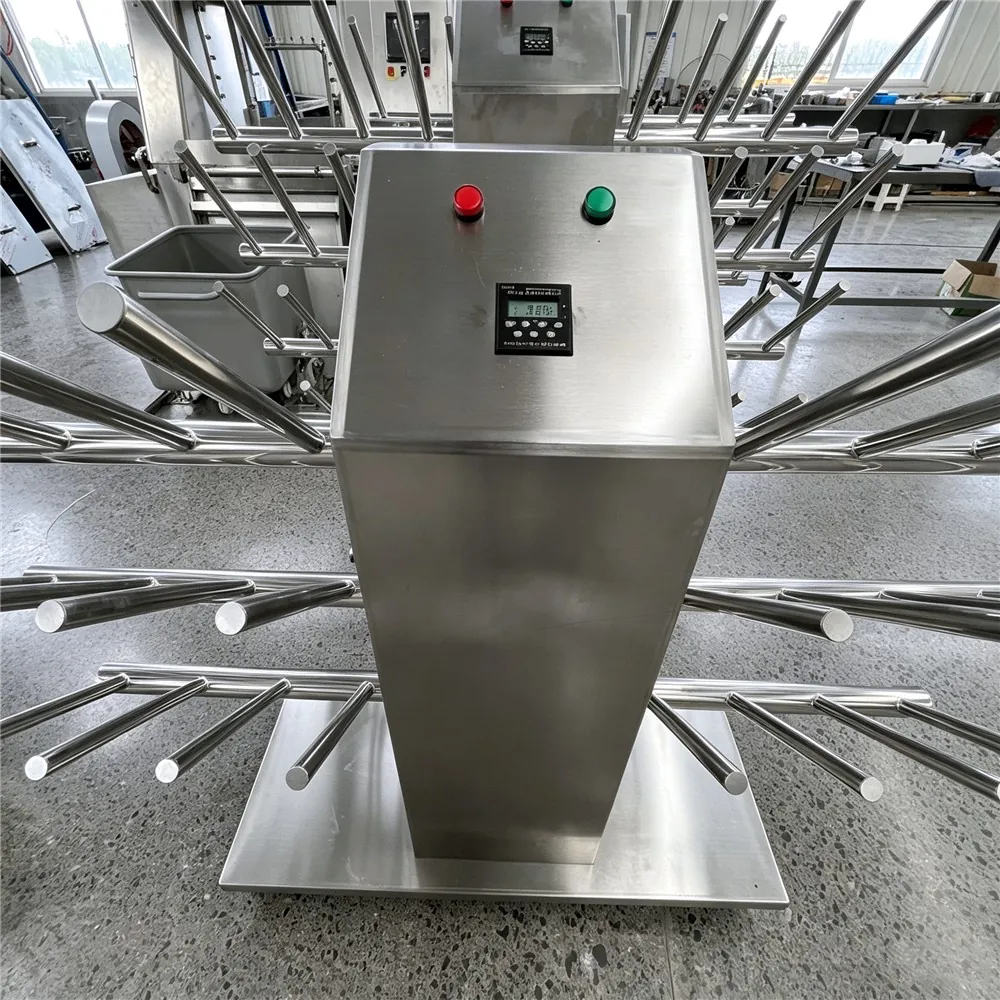
Why Drying Capacity Matters
The relevant number is pairs per turnaround period. If 80 employees finish a wet shift but only 30 pairs can be placed on the rack, the storage process is already overloaded.
Drying and organization solve different problems. Some sites mainly need faster internal drying; others need clear storage and pair separation. The equipment mix should reflect both.
Recommended Post-Wash Boot Flow
Keep cleaned footwear off the floor and ready for the next use
Drying time depends on boot material, ambient conditions, rack configuration and the interval between shifts.
Recommended Equipment
Choose rack style and capacity around staff count and available space
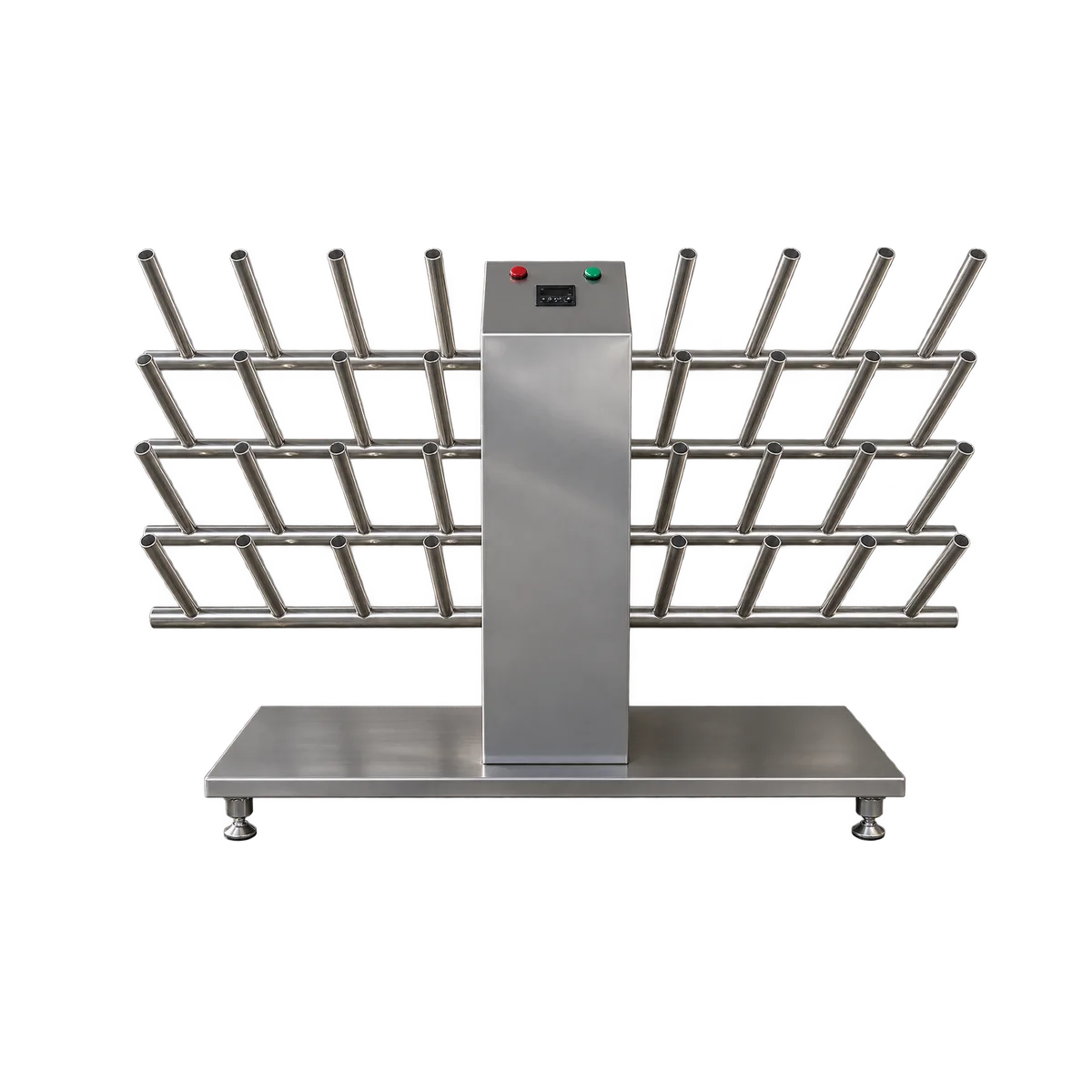
16-Pair Straight-Tube Boot Drying Rack
VJS-HGXJ-001
Straight-tube drying arrangement for organized post-wash boot placement in changing and drying zones.
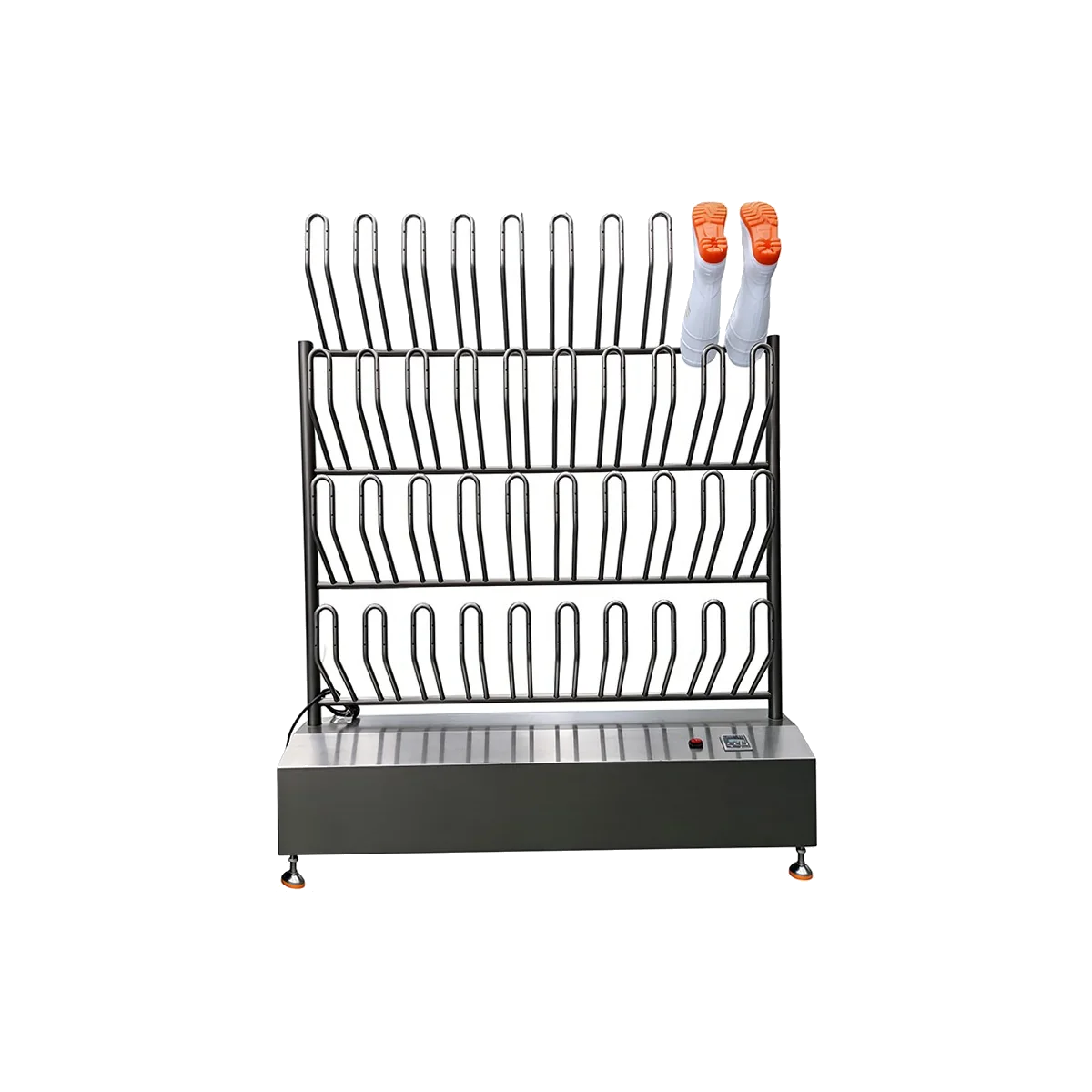
20-Pair Curved-Tube Boot Drying Rack
VJS-HGXJ-005
Higher-capacity curved-tube rack for facilities that need more drying positions in one unit.
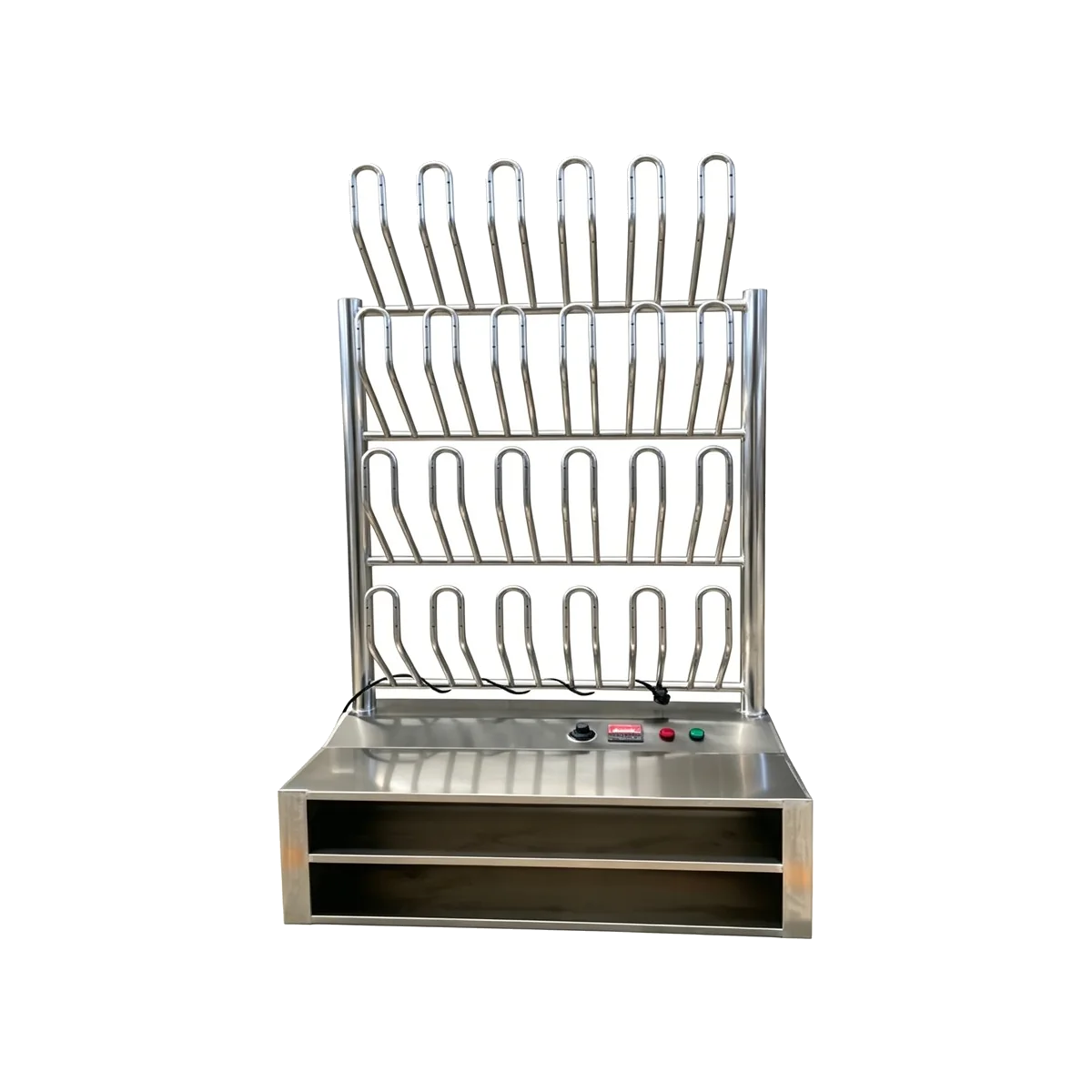
12-Pair Curved-Tube Boot Drying Rack with Slipper Rack
VJS-HGXJ-007
Combined boot-drying and slipper-storage format for changing areas where multiple footwear types need organization.
Size the Drying Area by Pair Count + Turnaround Time
A plant with 100 employees does not automatically need 100 drying positions if teams rotate over a longer period — but it may need more than 100 if spare footwear is also stored.
We consider: total pairs, pairs used per shift, time between shifts, boot height, available wall/floor space, ventilation and whether heated drying or ozone-equipped models are required.
What We Need From You
Tell us the number of employees per shift, total boot pairs, boot height, how long the boots have to dry, and the available changing-room or drying-room dimensions.
Best-Fit Factories & Customer Groups
Factories: Seafood Processing • Meat & Poultry Plants • Dairy Plants • Cold / Wet Food Processing • Central Kitchens • Large Staff Changing Rooms
Typical contacts: Hygiene Managers • Facility Managers • Plant Administration • EHS Teams • Procurement • Factory Owners
Frequently Asked Questions
How many boot positions should we plan?
Start with the number of pairs that need to dry at the same time, not only total employee headcount.
Do all drying racks use heated air?
No. Configuration varies by model. Some racks include powered drying features, while others are designed mainly for organized drying and storage.
What is the benefit of curved drying tubes?
The tube arrangement can help position boots securely and direct airflow into the boot interior on models designed for active drying.
Can racks be sized for different boot heights?
Configuration and dimensions can be selected or customized depending on the project and footwear type.
Can drying and storage be combined in one area?
Yes. The layout can combine drying racks, slipper shelves and separate storage equipment when space allows.
If Boots Are Still Wet Next Shift, the Drying Area Is Undersized or Poorly Organized
Send us your pair count, shift schedule and available room size. We can help compare rack capacities and layouts before you choose a model.